Why Your CrossFit Grip Falls Apart in Summer (Even With Chalk)
Quick Answer: Humidity reduces chalk’s ability to absorb moisture and increases baseline hand sweat, meaning the same chalk routine that works fine in winter can fail in summer — reapplying more frequently, using liquid chalk as a base layer, and controlling gym airflow all help offset the seasonal grip loss.
Your deadlift numbers haven’t changed, your programming hasn’t changed, but your grip is failing sets it handled fine two months ago. That’s not you losing strength — that’s summer humidity working against your chalk.
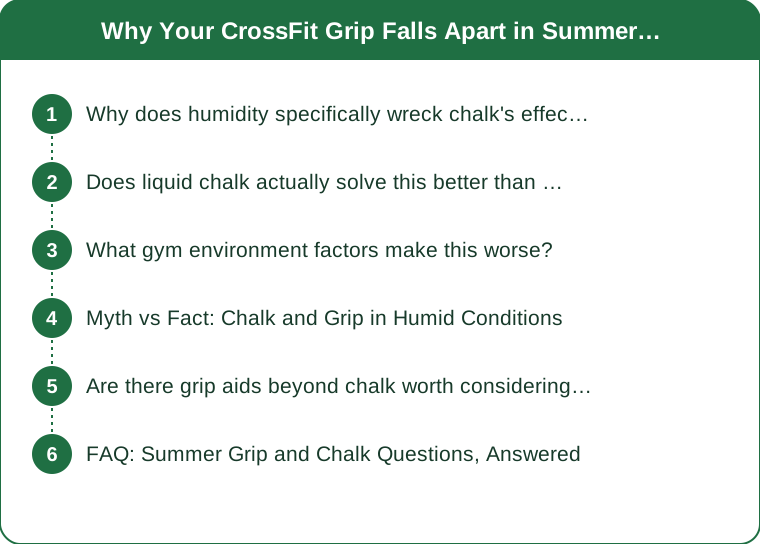
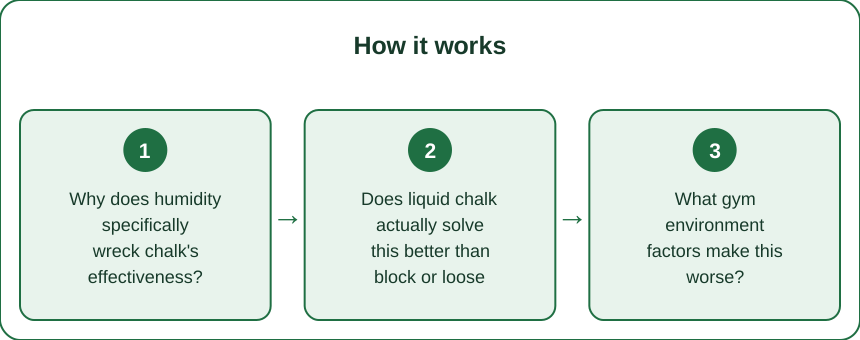
Why does humidity specifically wreck chalk’s effectiveness?
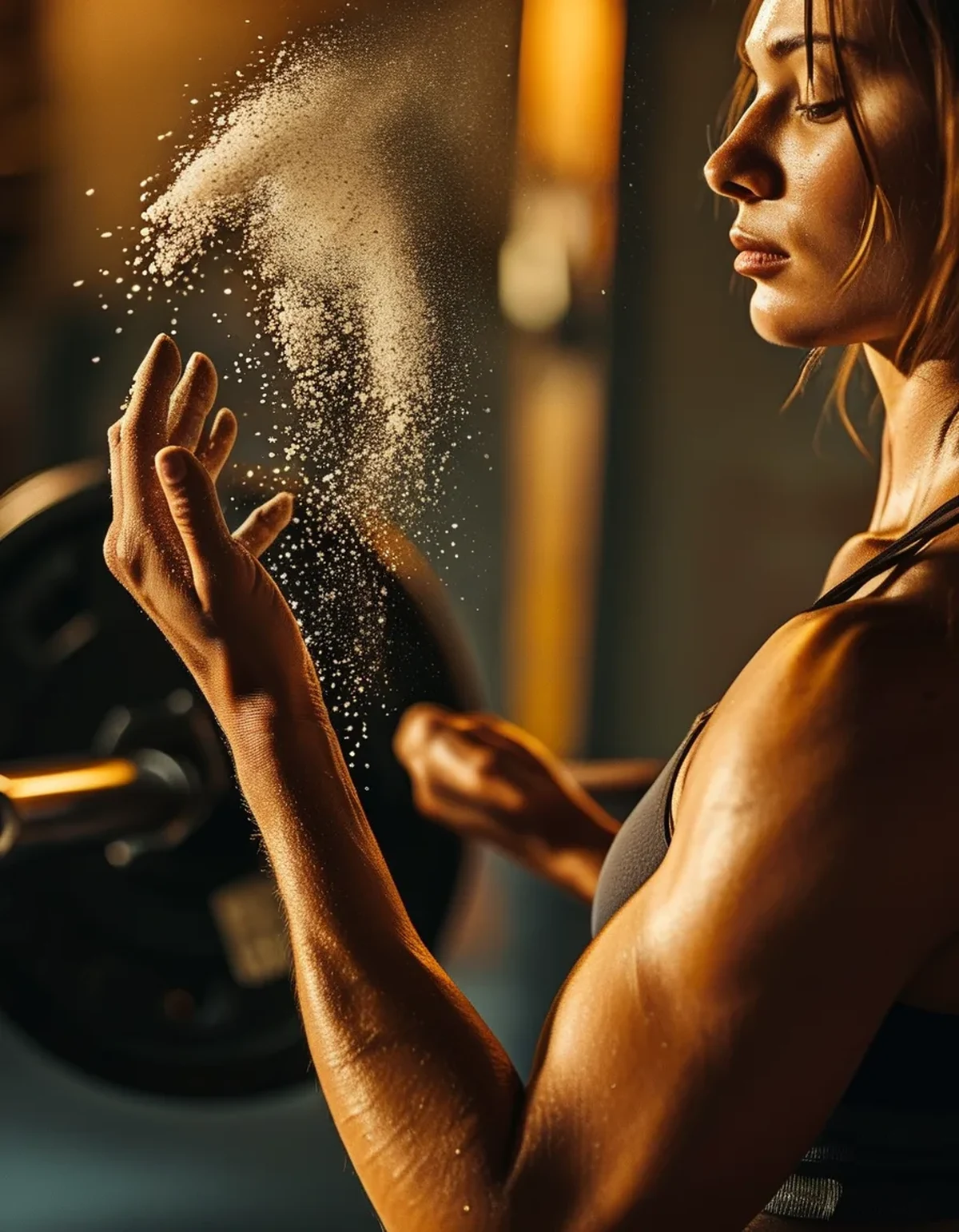
Chalk (magnesium carbonate) works by absorbing moisture from your hands to create a drier, higher-friction surface against the bar. In high humidity, chalk absorbs ambient moisture from the air itself even before you touch the bar, meaning it’s partially saturated and less able to absorb additional moisture from sweaty hands during a set.
Humidity also directly increases how much you sweat, since your body’s evaporative cooling becomes less efficient in humid air — so you’re fighting a double effect: less effective chalk and more moisture for it to handle.
Does liquid chalk actually solve this better than block or loose chalk?
For humid conditions, often yes — liquid chalk dries into a more durable base layer on the skin that’s less immediately affected by ambient humidity than loose chalk sitting exposed on your hands. Many lifters use liquid chalk as a base layer applied before a session, then reapply loose chalk on top between sets as a humidity-specific combination approach.
What gym environment factors make this worse?
Poor airflow and non-air-conditioned spaces compound the humidity problem directly, since stagnant humid air around the lifting area doesn’t get any relief between sets. If gym conditions allow it, positioning near a fan or better-ventilated area for grip-intensive lifts specifically can measurably help, even if it’s not practical for the whole session.
Myth vs Fact: Chalk and Grip in Humid Conditions
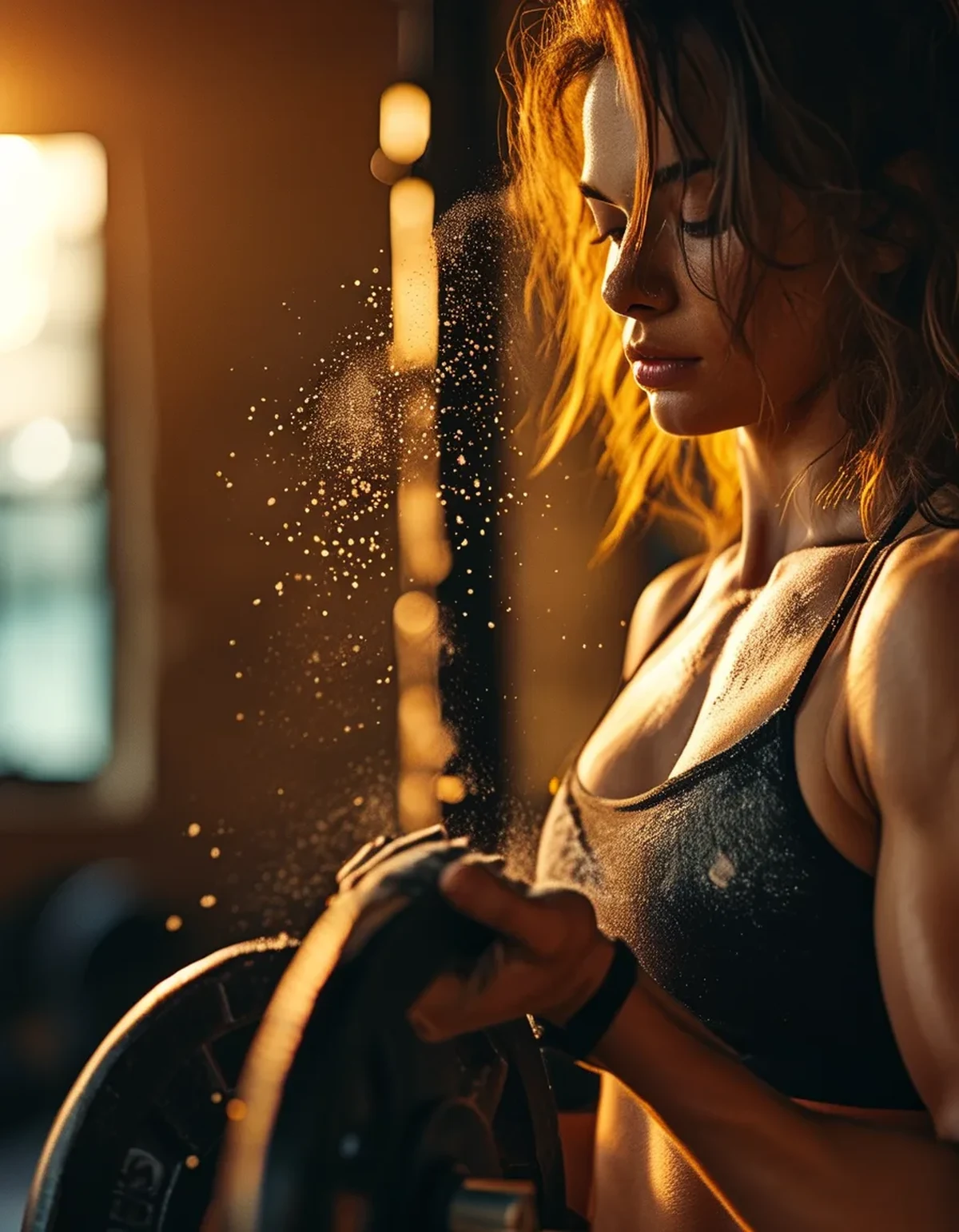
Myth: More chalk always means better grip. Fact: over-chalking in humid conditions can create a gummy, clumped texture that’s actually worse than a thinner, more frequently reapplied layer.
Myth: Grip failure in summer means you need more grip training. Fact: while grip training helps generally, a sudden seasonal grip drop-off is more likely environmental than a real strength regression — check the humidity variable before overhauling your training.
Myth: Liquid chalk and loose chalk do the same job, so it doesn’t matter which you use. Fact: they behave differently under humidity specifically — liquid chalk’s dried base layer holds up better than loose chalk exposed to humid air.
Are there grip aids beyond chalk worth considering in peak summer humidity?
Grip-specific antiperspirant products (marketed for gymnastics and lifting) applied to hands before a session can reduce sweat production at the source, working alongside chalk rather than replacing it. For pull-up and gymnastics-heavy WODs specifically, hand grips or tape provide a mechanical friction solution that’s less dependent on ambient humidity than chalk-based grip alone.
FAQ: Summer Grip and Chalk Questions, Answered
Does reapplying chalk too often during a WOD waste time in a for-time workout?
A quick reapplication between sets (a few seconds) is a worthwhile tradeoff against a failed grip mid-set, which costs far more time than a brief chalk touch-up.
Is it worth switching gyms or training outdoors to avoid humidity?
Not necessary for most people — environmental grip aids (liquid chalk base, antiperspirant, better airflow positioning) address the issue without needing to change training location.
Does humidity affect barbell grip more than gymnastics rings or pull-up bars?
It affects both, though textured barbell knurling relies more heavily on a dry surface than rings or bars sometimes do, making barbell work often the more noticeably affected movement category.
TL;DR:
- Humidity reduces chalk’s moisture-absorbing effectiveness while increasing hand sweat
- Liquid chalk as a base layer holds up better against humidity than loose chalk alone
- Better airflow near the lifting area meaningfully helps during peak humid months
- A sudden summer grip drop-off is usually environmental, not a real strength regression
Your grip isn’t failing you in summer — the humidity is failing your chalk, and a base-layer liquid chalk habit is the fix that actually holds up.
Keep Reading
This article is for general informational and styling purposes only. Fit, sizing, and product availability may vary.